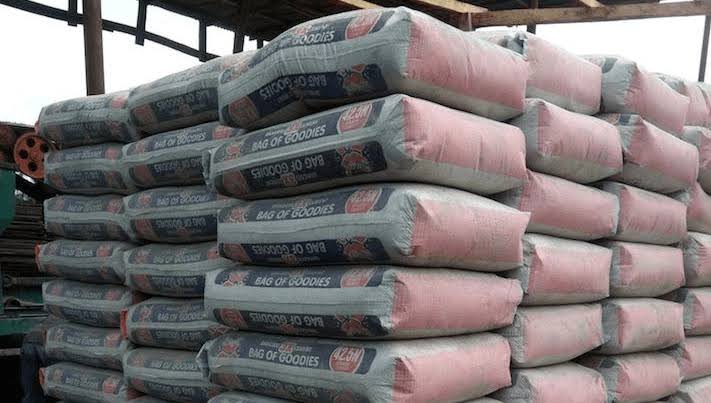
The Nigerian cement market appears to be settling into a clear pricing band, with major producers selling at roughly the same rate, though one northern competitor shows a slight variation.
Market checks by Ogun voice on Sunday show that Dangote Cement sells for ₦10,000 per 50kg bag, while BUA Cement also maintains ₦10,000, while Mangal Cement lists its product at ₦9,800, making it ₦200 cheaper than the market leaders.

Key factors affecting cement pricing in Nigeria
Here are the dominant cement price influencers today:
1. Energy and fuel costs Plants depend heavily on energy. Gas, coal, and diesel pricing directly push production costs upward. Frequent petrol scarcity indirectly spikes diesel prices, increasing manufacturing overheads.
2. Transportation (haulage)
The cost of moving cement from the factory to distributors affects the final retail price. Bad roads increase truck maintenance costs, slowing delivery trips. Higher diesel expenses passed to haulage operators raise delivery charges.
3. Import and port logistics While Nigeria produces most of its cement locally, machinery and industrial parts are often imported. Clearing costs at ports and fluctuating customs rates affect the cost of maintenance. FX scarcity makes replacement parts for imported plant equipment more expensive.
4. Exchange rate volatility Cement manufacturers pay for gas, industrial lubricants, plant maintenance tools, imported equipment, and truck spare parts using dollar-linked pricing. When the Central Bank of Nigeria’s rate shifts, production cost shifts with it.
5. Raw materials availability Limestone, gypsum, fly ash, and laterite locations relative to cement plants affect the cost of extraction. Areas with long distances from mines see higher input costs.
6. Market demand and seasonality Prices climb during peak construction periods, like: Dry season building boom. Fourth-quarter housing rush. Government infrastructure budget releases.
7. Government policies and levies Taxes, road usage levies, environmental compliance fees, and state royalties contribute to price buildup.
8. Production efficiency Companies that optimize operations better can shave cost. This gives regional producers like Mangal a slight advantage in pricing.